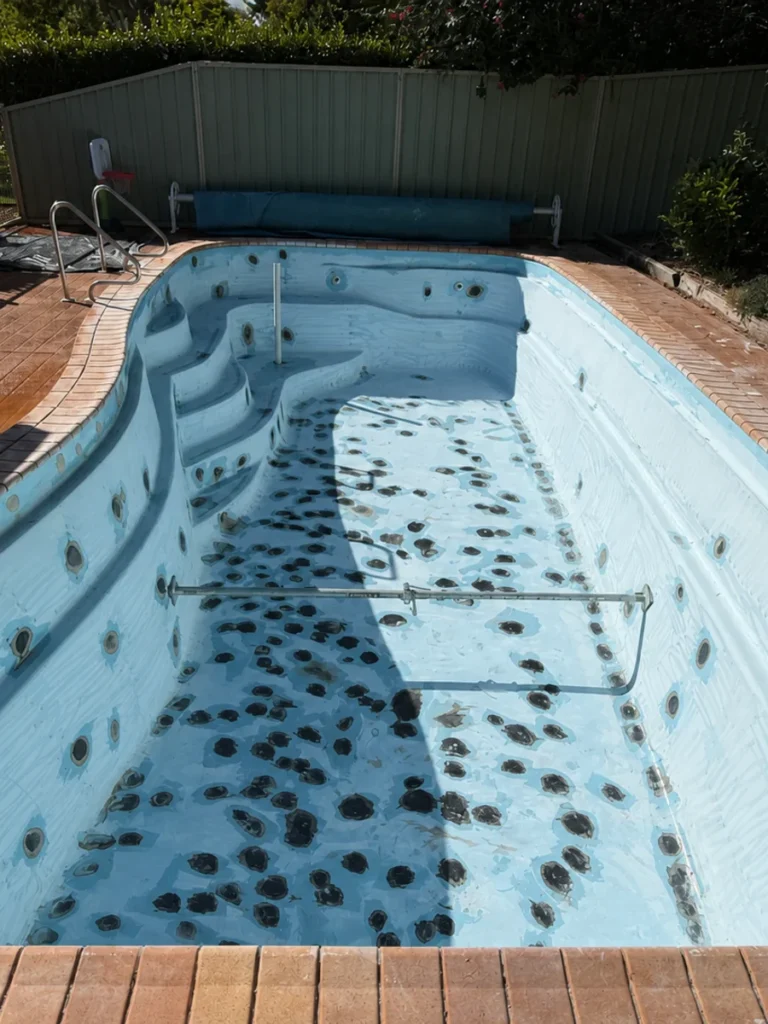
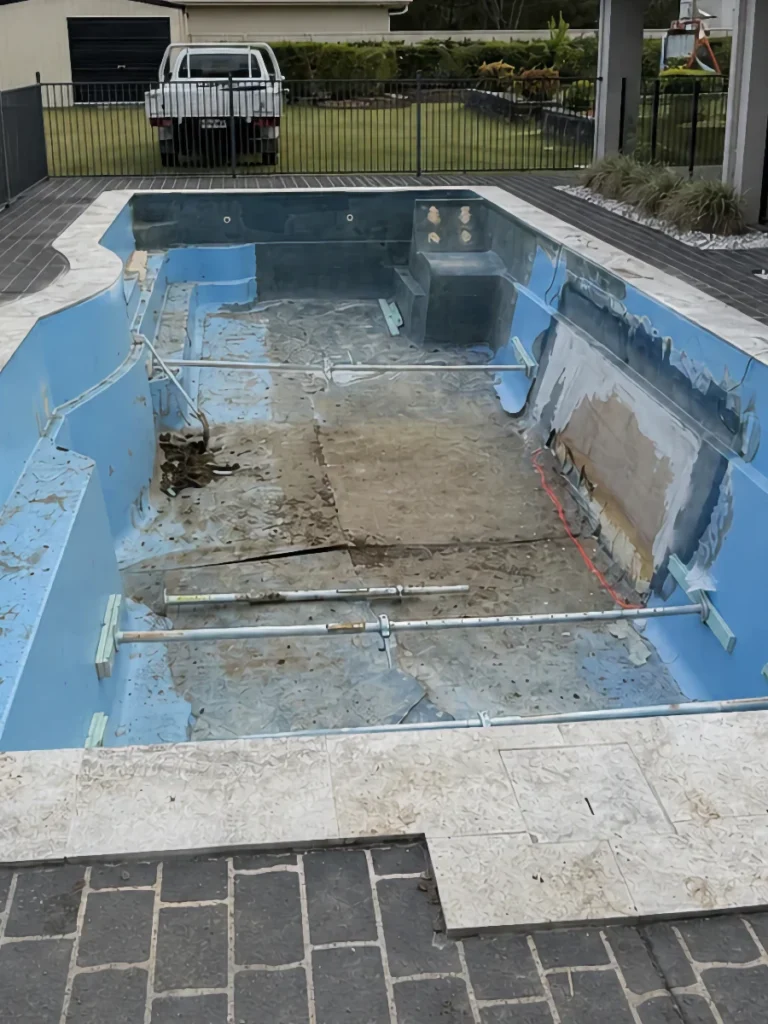
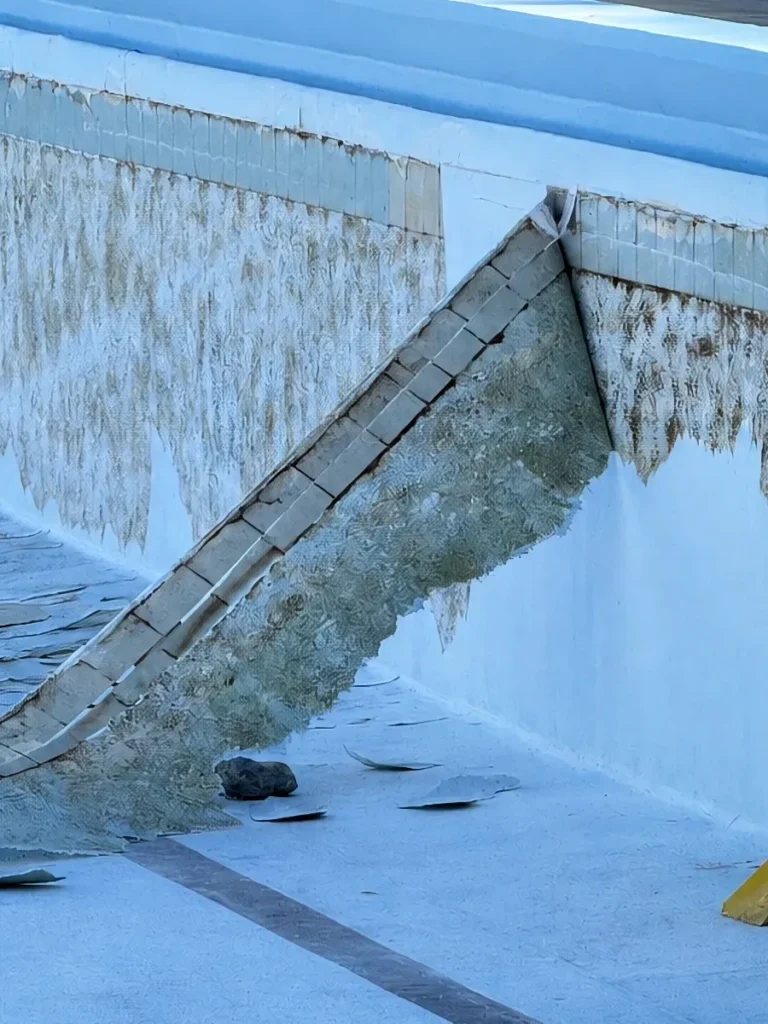
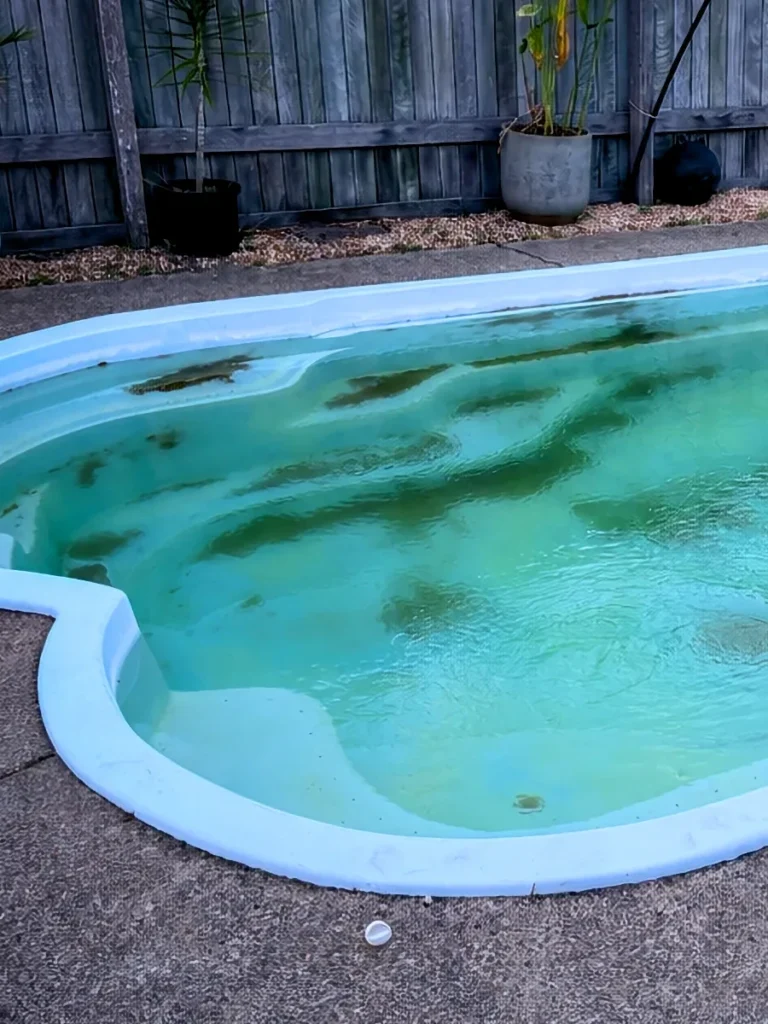
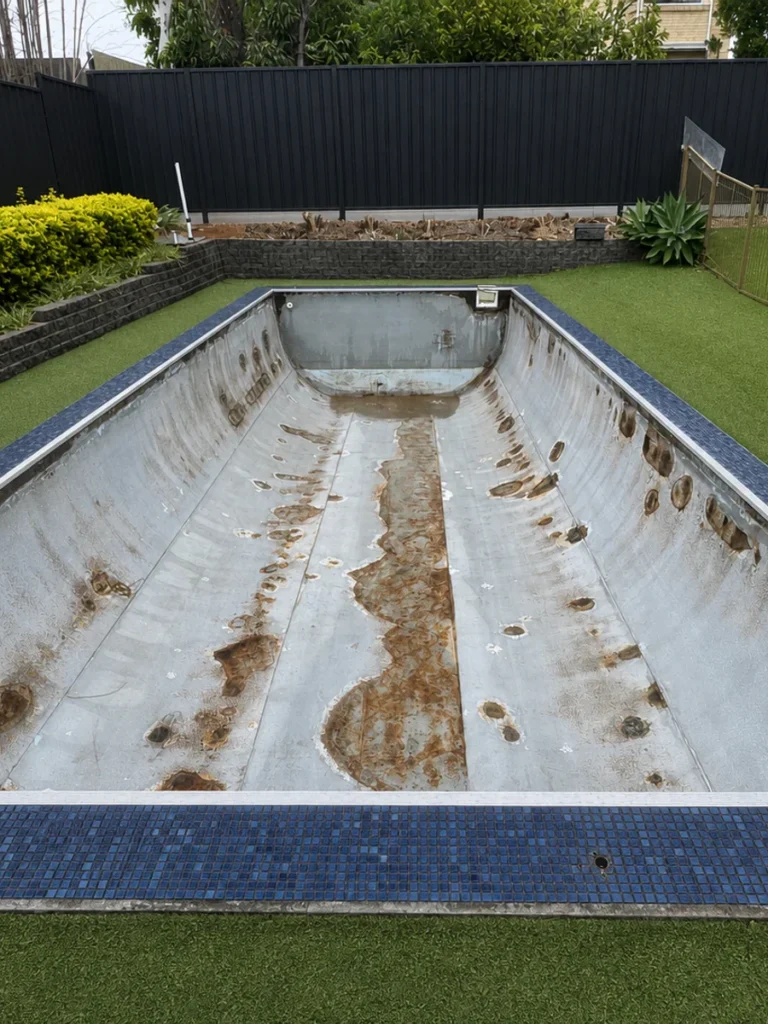
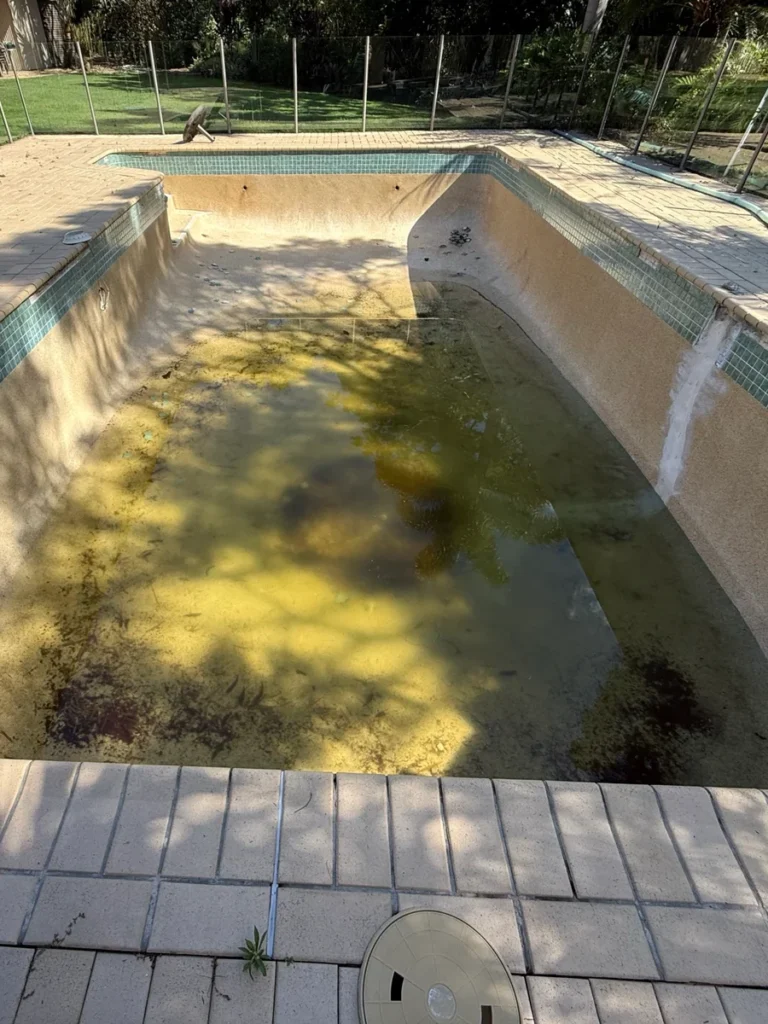
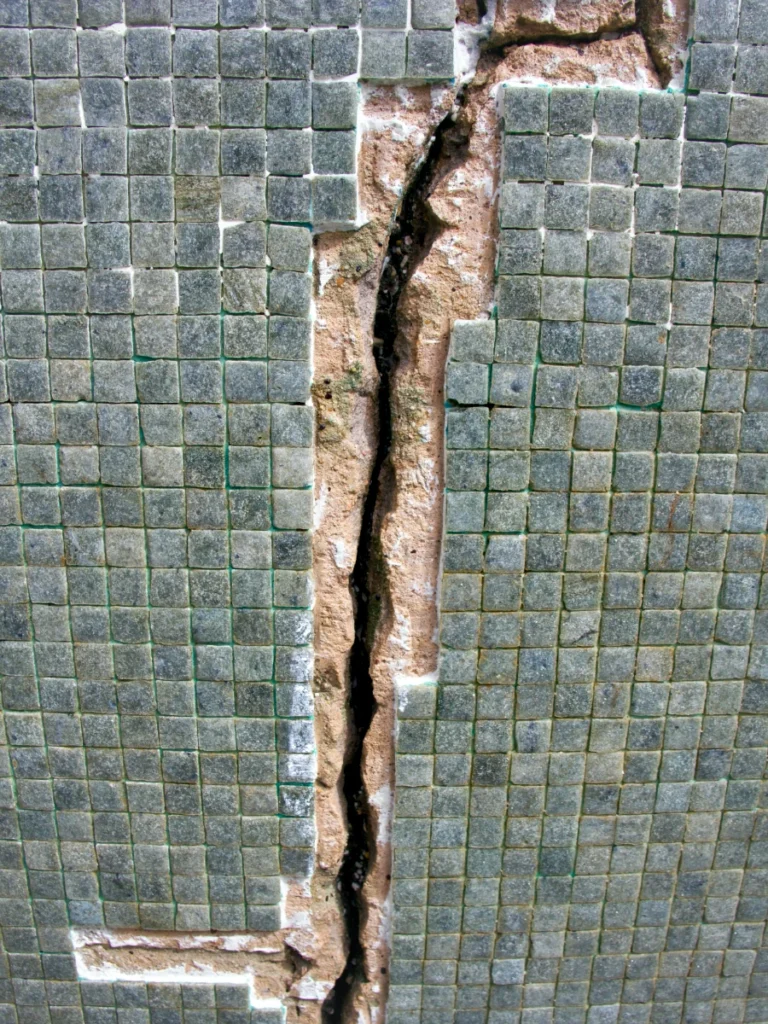
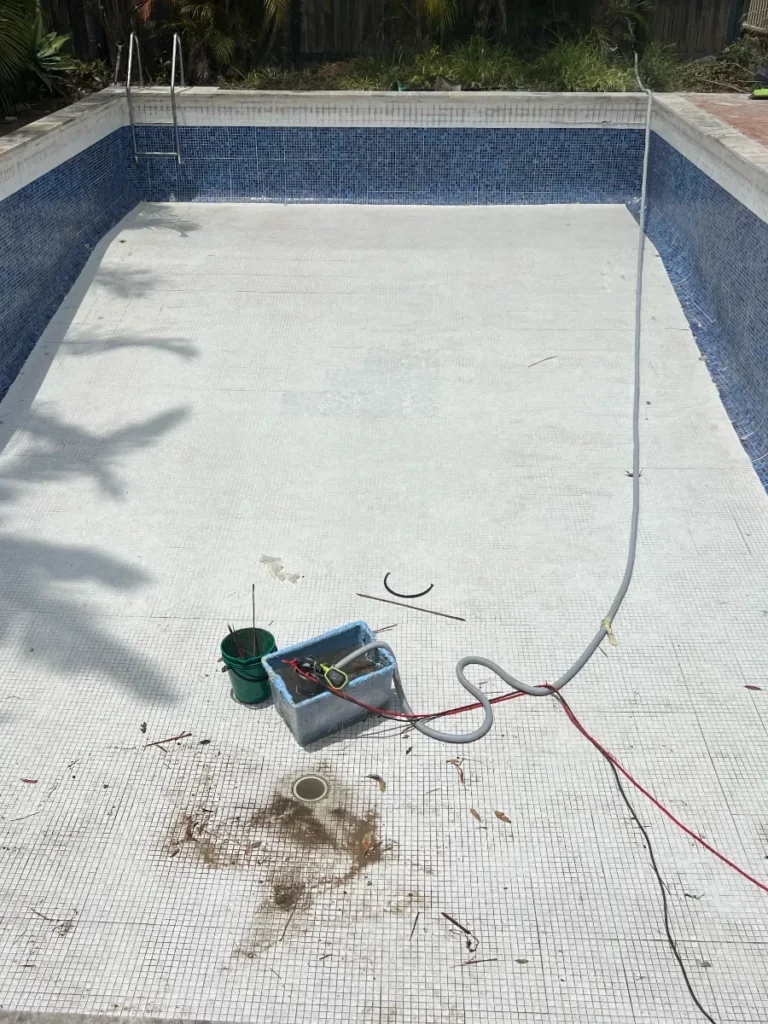
A rough or discoloured surface may be staining, scale, wear or deterioration within the finish. Water loss may come from evaporation, plumbing, fittings, a liner or the pool shell. A visible crack may be limited to the surface or connected to movement beneath it.
Photographs and the history of the pool help with an initial review, but they do not confirm the full repair scope. Construction, previous repairs, surrounding ground, water-loss patterns and the condition exposed after controlled emptying may all influence the recommendation.

Maintenance, cleaning or monitoring where the interior remains serviceable
A leak test or separate plumbing or structural investigation where another cause is suspected
Resurfacing where deterioration is widespread or must be integrated into one continuous lining
Pools can show wear, staining, cracking, water loss, delamination and other signs that need closer assessment.
Choose from these 11 most common problems that best matches your pool to understand what Fibreglaze would inspect and which repair or resurfacing options may apply.
A successful repair begins with identifying what is actually failing. Covering a weak, damp, moving or poorly bonded surface can leave the underlying defect active and make the same problem reappear through later work.
Define whether the concern is limited to the finish, extends into the lining or involves the pool shell
Separate surface defects from plumbing, groundwater, support or continuing movement
Remove or expose unsound material far enough to confirm a suitable repair boundary
The assessment may lead to a local repair, broader preparation and resurfacing, conversion to fibreglass or separate specialist work. The recommendation should follow the evidence—not the appearance alone.
Narangba, QLD · Cracking, deformation and osmosis blistering
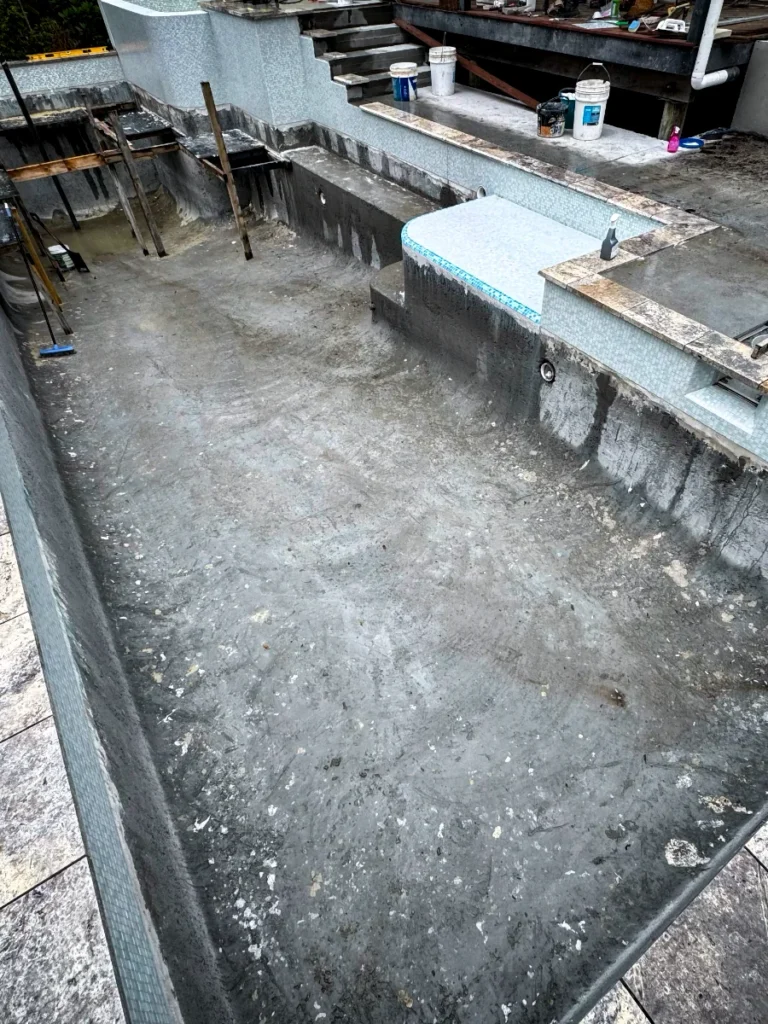
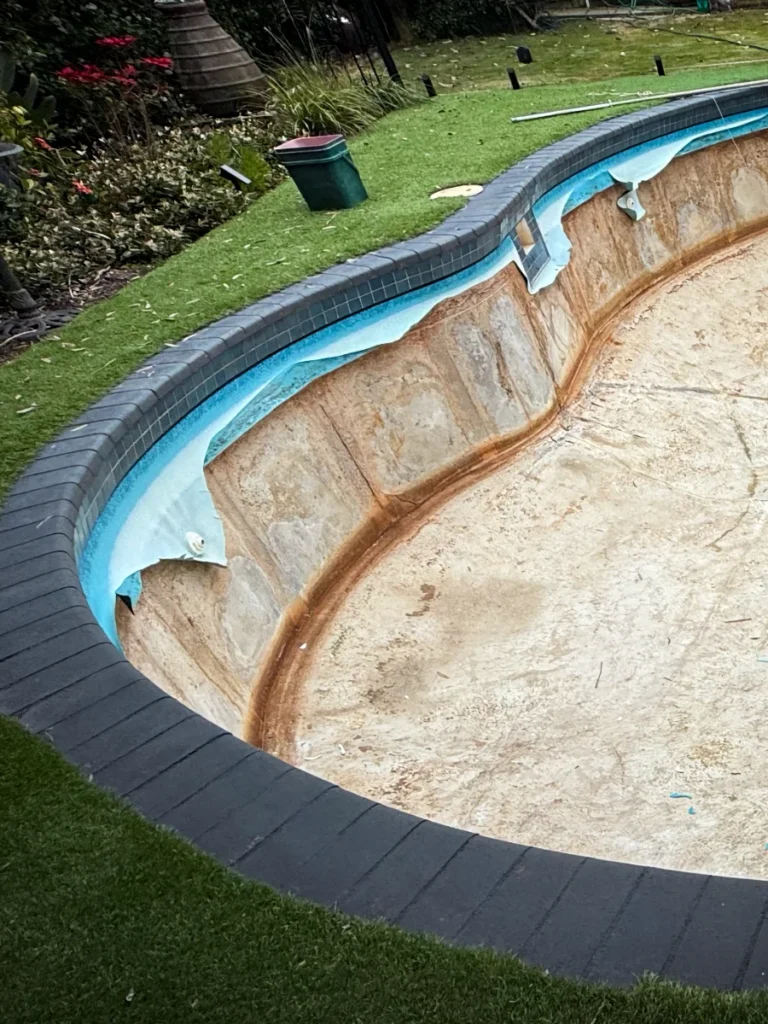
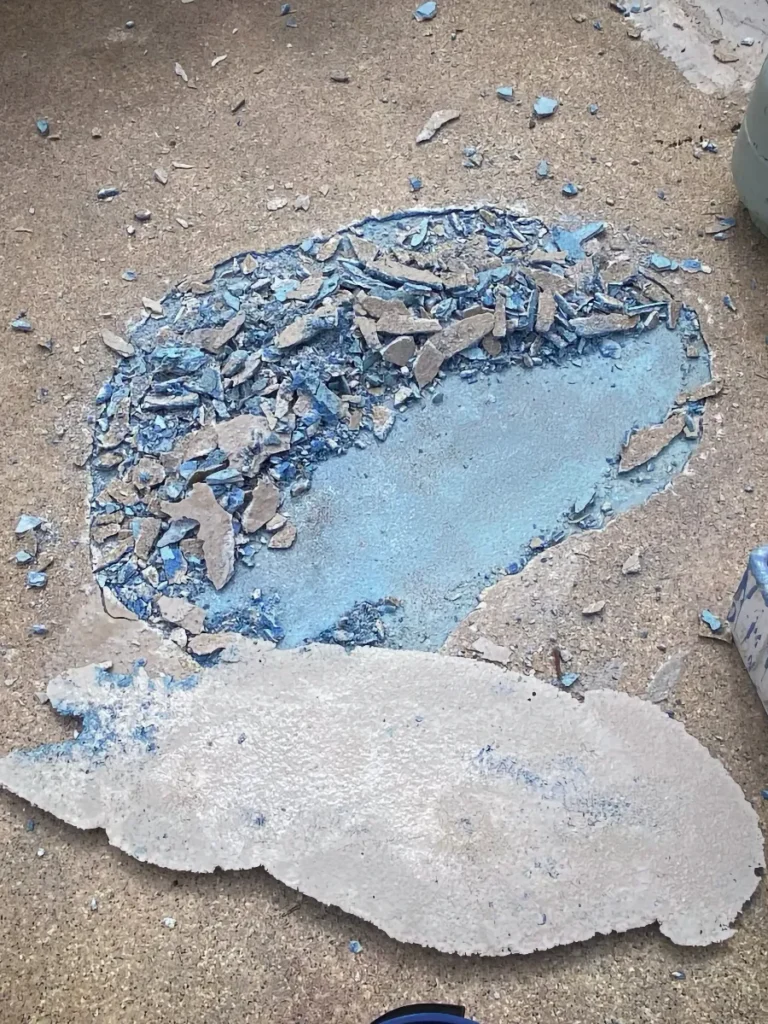
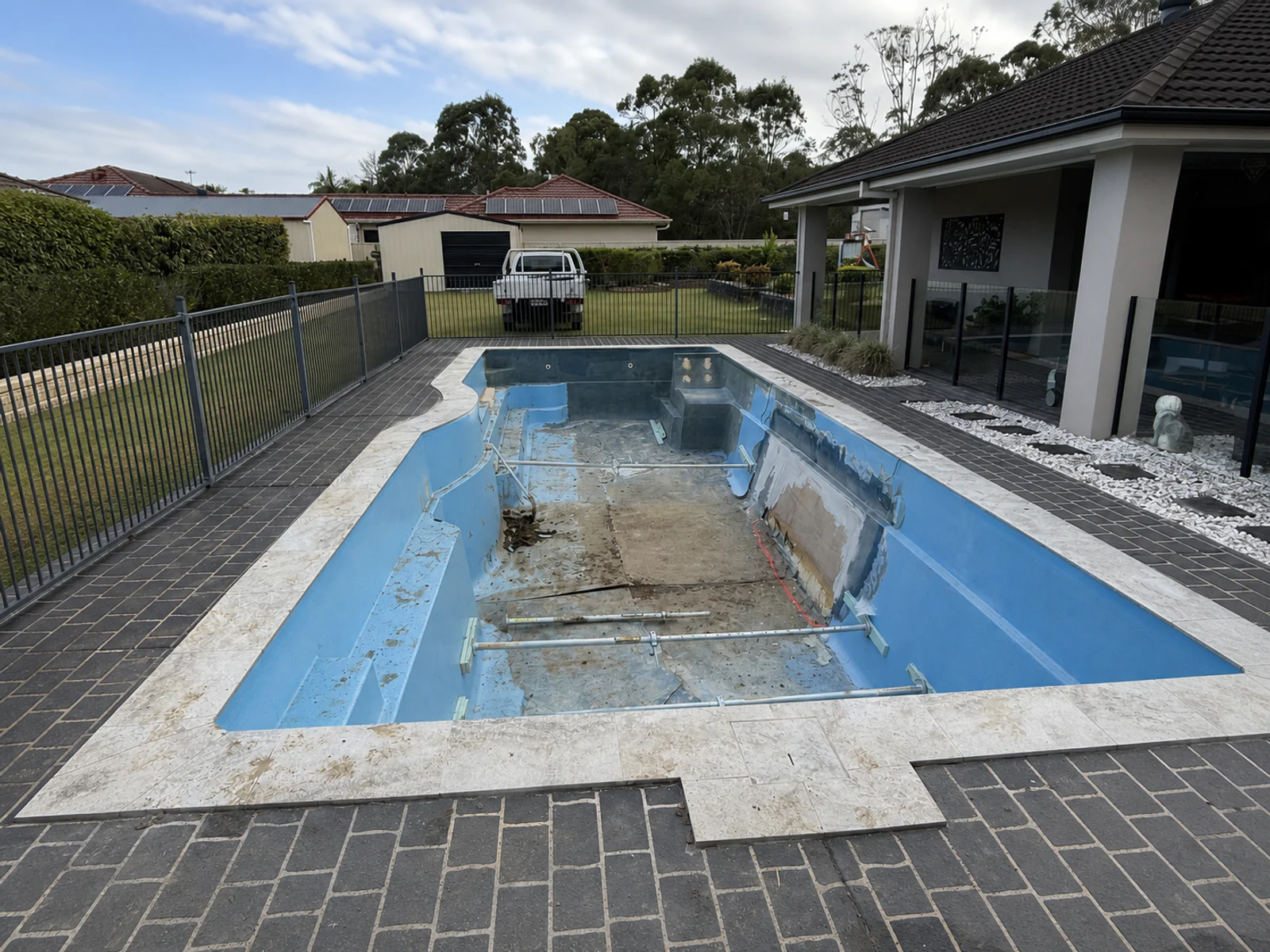
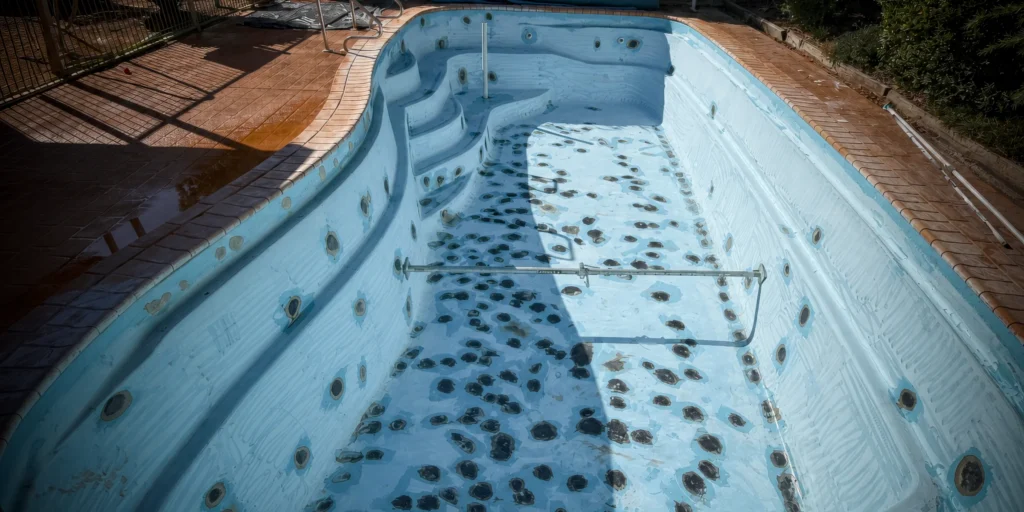
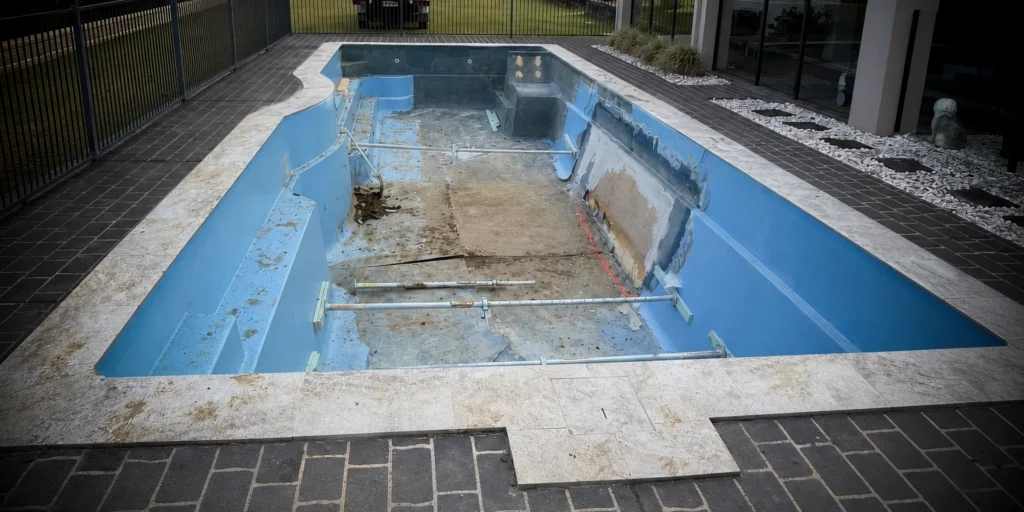
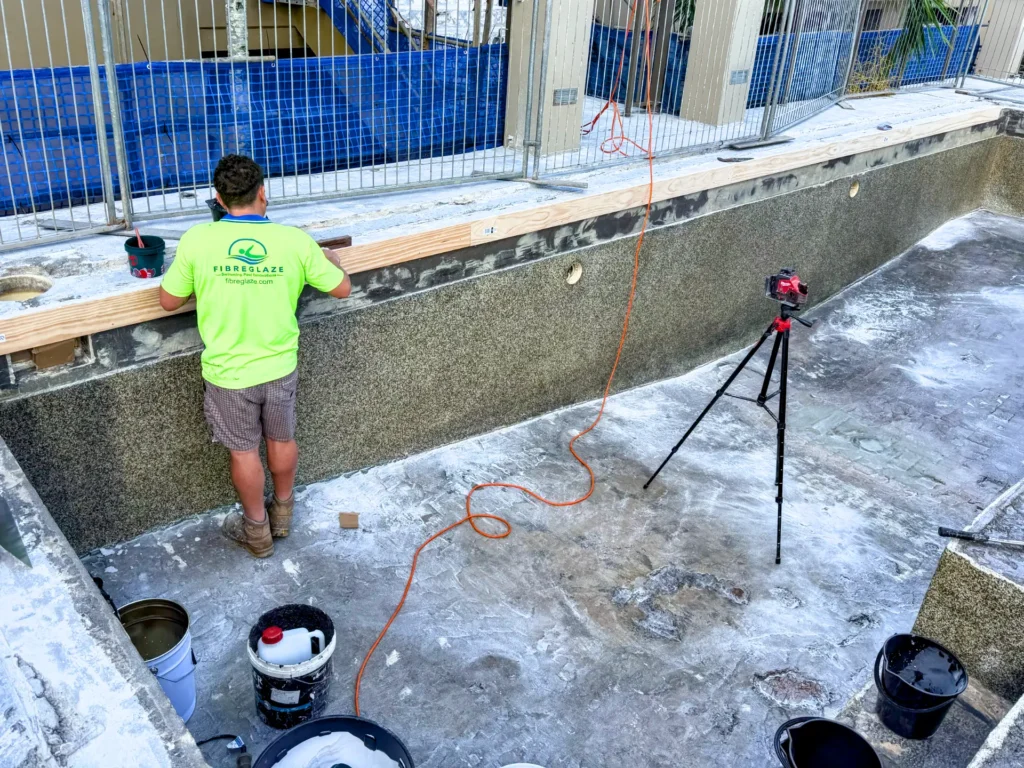
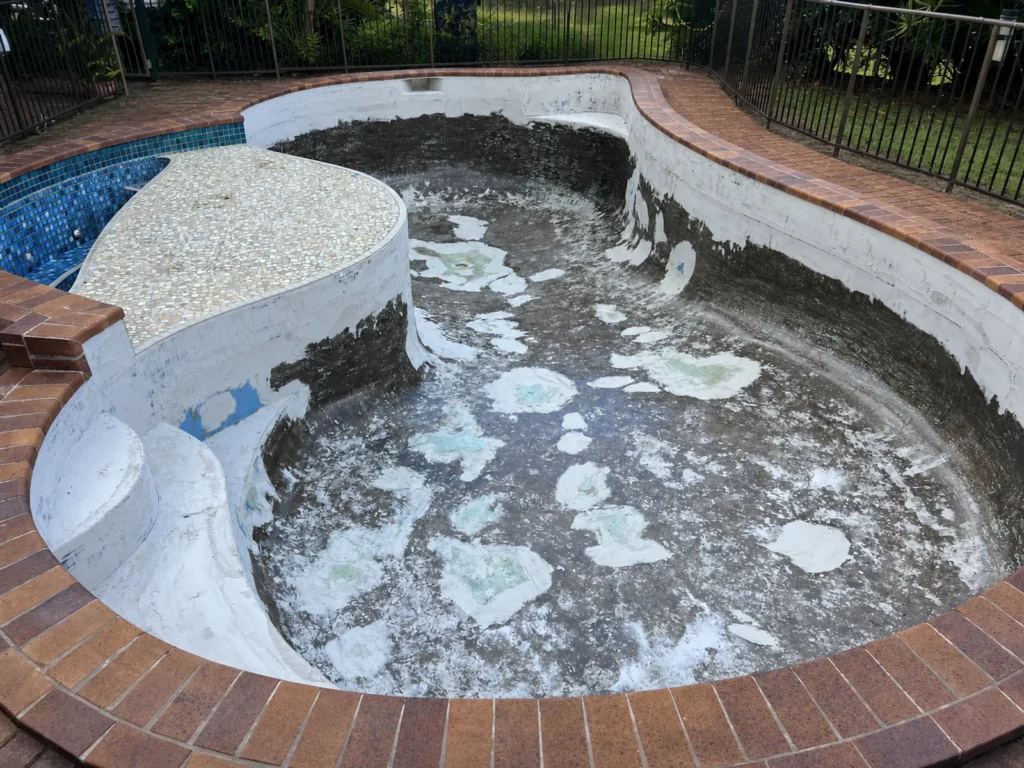
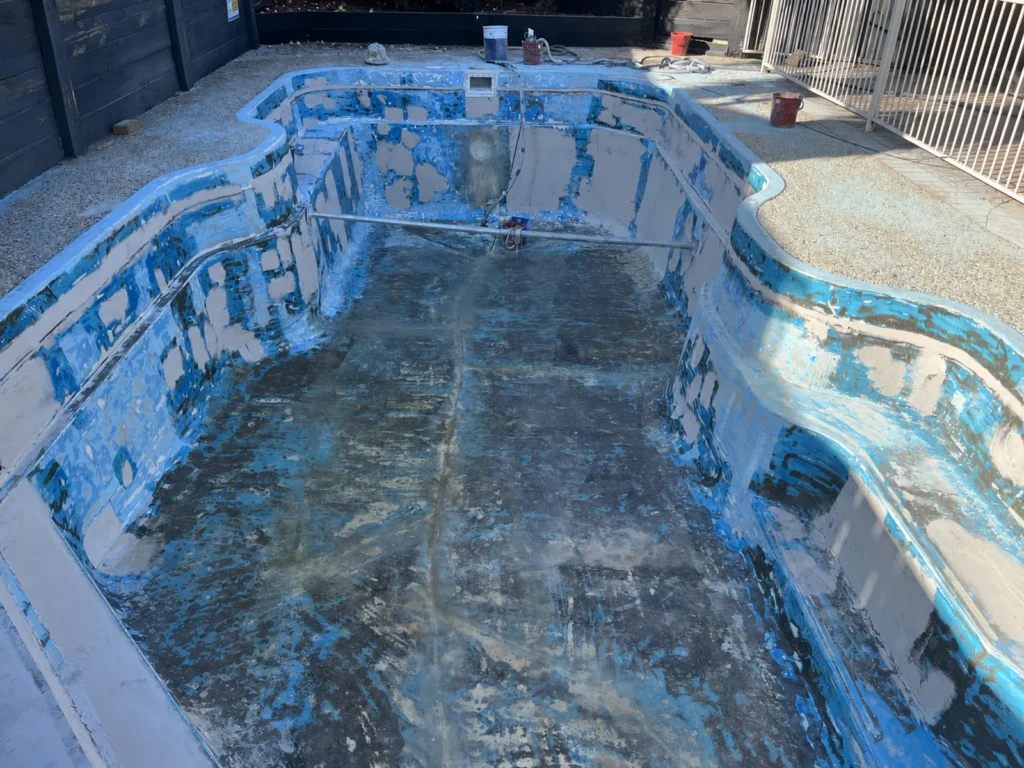
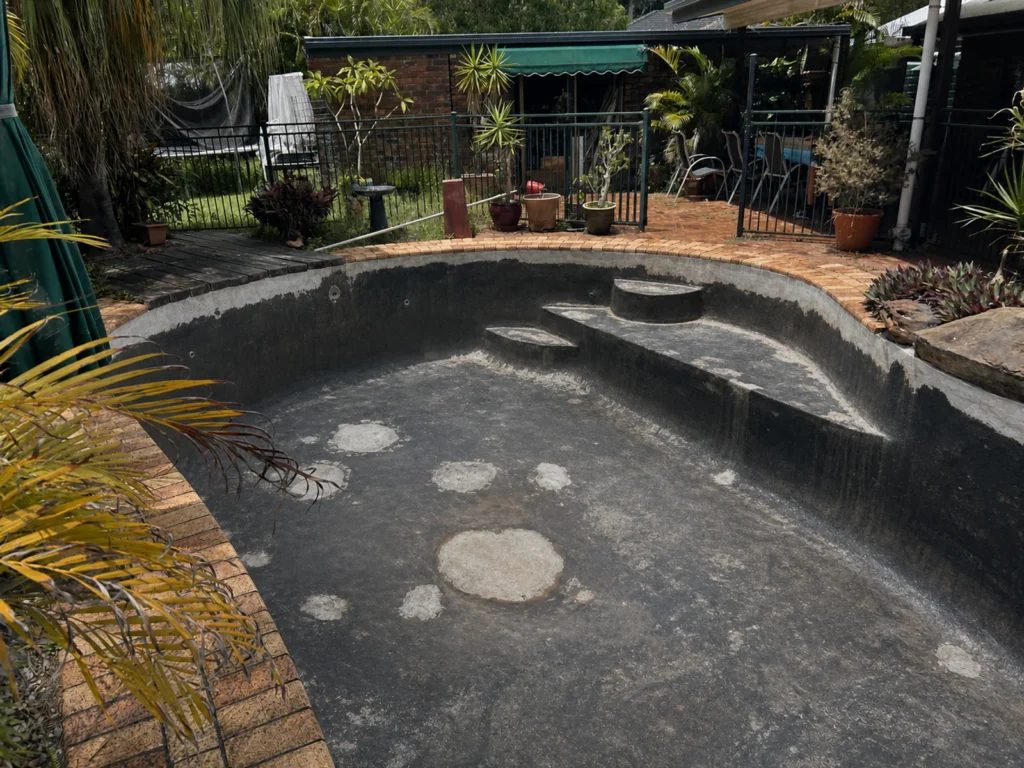
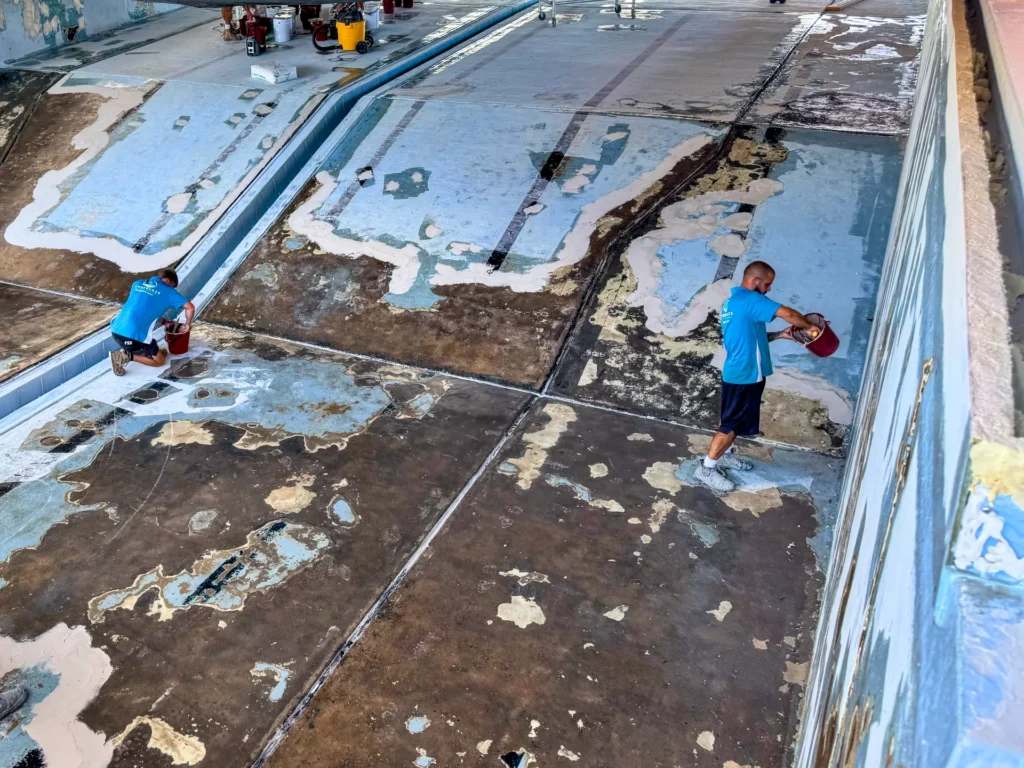
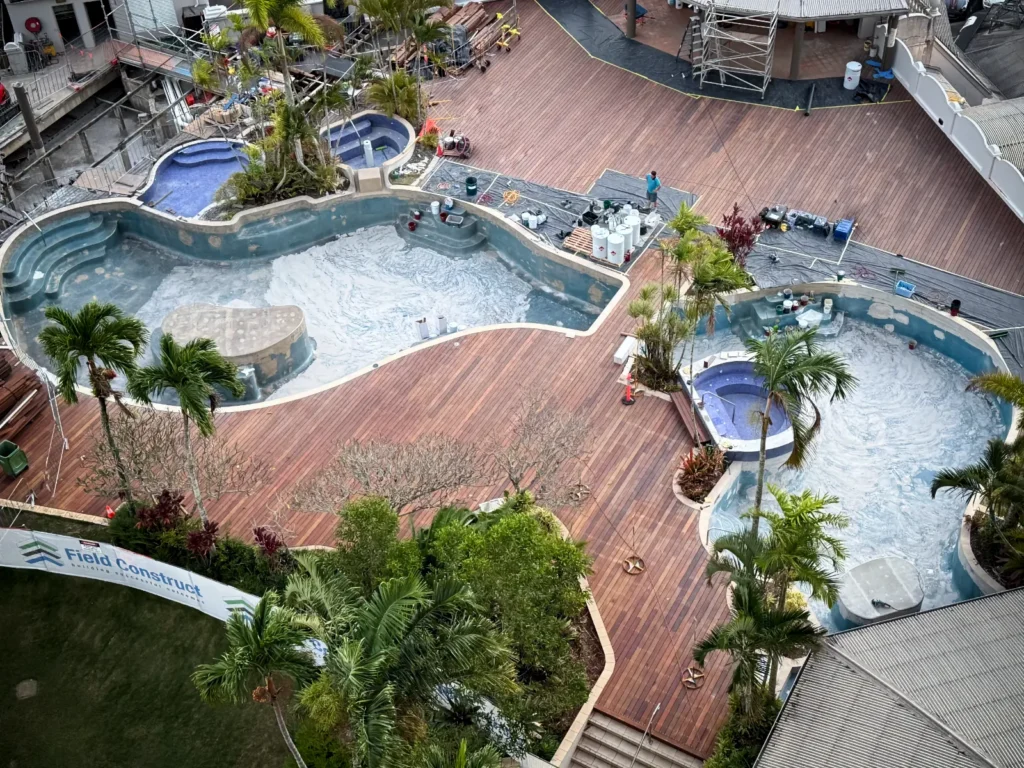
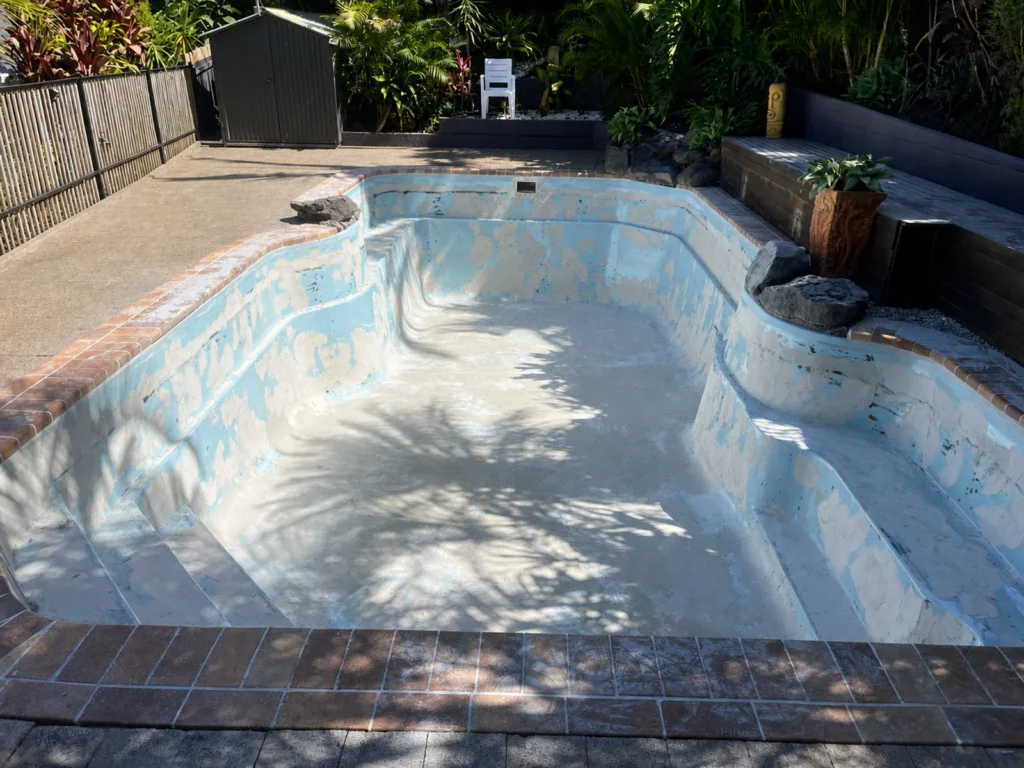
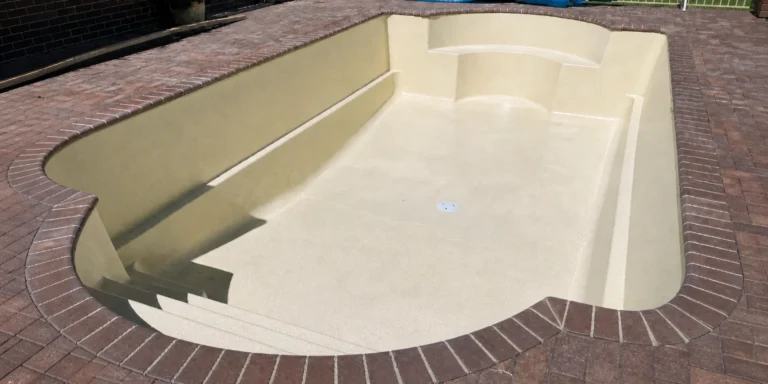
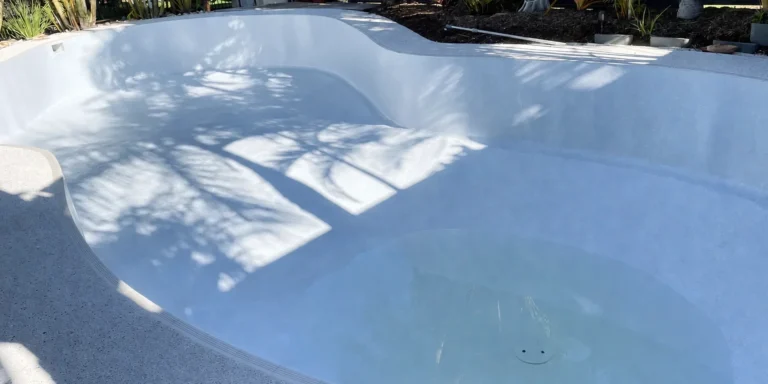
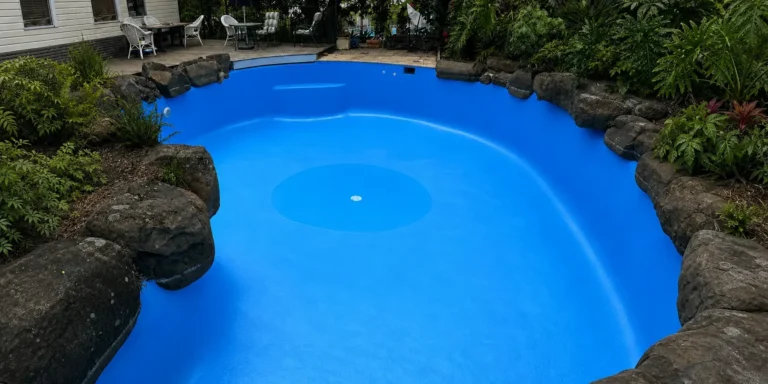
These photographs show preparation and repair stages addressing various pool problems. The exact approach is confirmed after inspection and once the pool has been emptied and the shell condition is exposed.


The pathway varies with the condition, but it generally follows five stages. Where concealed defects are possible, the final scope may only be confirmed after controlled emptying and exposure.
Send the pool type, location, visible symptoms, when they began and clear photographs. Note known leaks, movement, previous repairs or recent changes.
We compare the signs with the pool construction and decide whether photographs are enough for initial guidance or a site inspection or test is needed.
Where required, the surface, fittings and surrounding clues are checked so plumbing, surface, lining and movement-related causes are not treated as the same problem.
When work proceeds, controlled emptying and exposure may reveal weak, hollow, damp or previously repaired material that confirms the final preparation and repair strategy.
Explore completed Fibreglaze projects showing the original condition, problem treatment process and finished result across a range of pool interiors.
A 24-hour bucket test can compare pool water loss with normal evaporation. Fill a bucket with pool water, place it securely on a pool step and mark the water level inside the bucket and the pool level outside it. Keep normal circulation running, avoid swimming, backwashing and water features, then compare both levels after 24 hours. If the pool falls noticeably more than the water inside the bucket, a leak is likely. Repeat the test if it rains or the test conditions change.
A fine hairline crack is not automatically structural, but its width alone does not determine the risk. Location, depth, direction, displacement, moisture, surrounding soundness and whether it is growing are all important. Fine crazing may be limited to the surface, while a crack through the shell can admit water or indicate movement. Photograph and mark the crack so changes can be monitored, and arrange an assessment if it is widening, leaking, recurring through repairs or associated with movement.
Many stains can be treated without resurfacing when the underlying finish is sound and the stain type is correctly identified. Organic, metal and mineral deposits require different treatment approaches, so the safest starting point is water testing and a controlled test on a small area. Resurfacing becomes more relevant when stains are deeply embedded, repeatedly return through a porous surface, or occur with widespread roughness, pitting, peeling or earlier failed repairs. Correcting the stain source remains important after either treatment.
Delamination may appear as a raised sheet or bubble, a soft or flexible area, flaking around an edge, or a section that sounds hollow when lightly tapped. Water may be released when a failed area is opened. The visible boundary can be smaller than the separation underneath, so tapping alone cannot confirm the full extent. A systematic inspection is needed to map unstable areas and determine whether the separation is limited to the surface or extends into the original laminate.
Tell us what you’ve noticed and share a few clear photos. We’ll review the visible condition and pool history to help identify the next step. An inspection or further testing may be needed before the cause and repair scope can be confirmed.
Pool problem assessment enquiry
Send us a few photos and our team can help identify the likely issue and the most suitable next step.