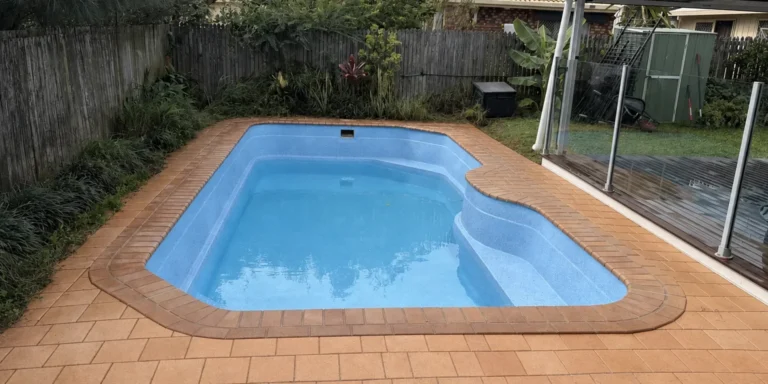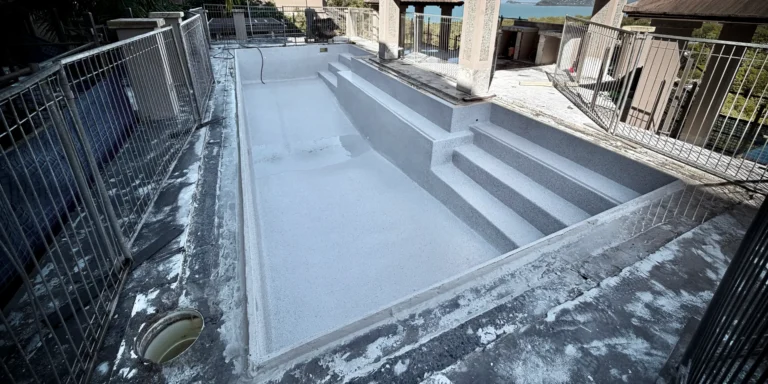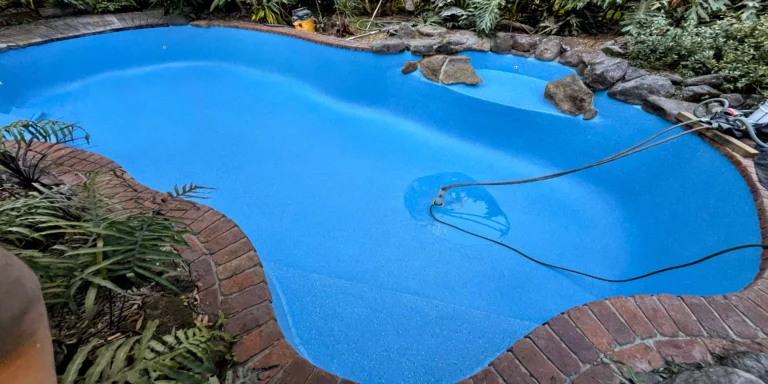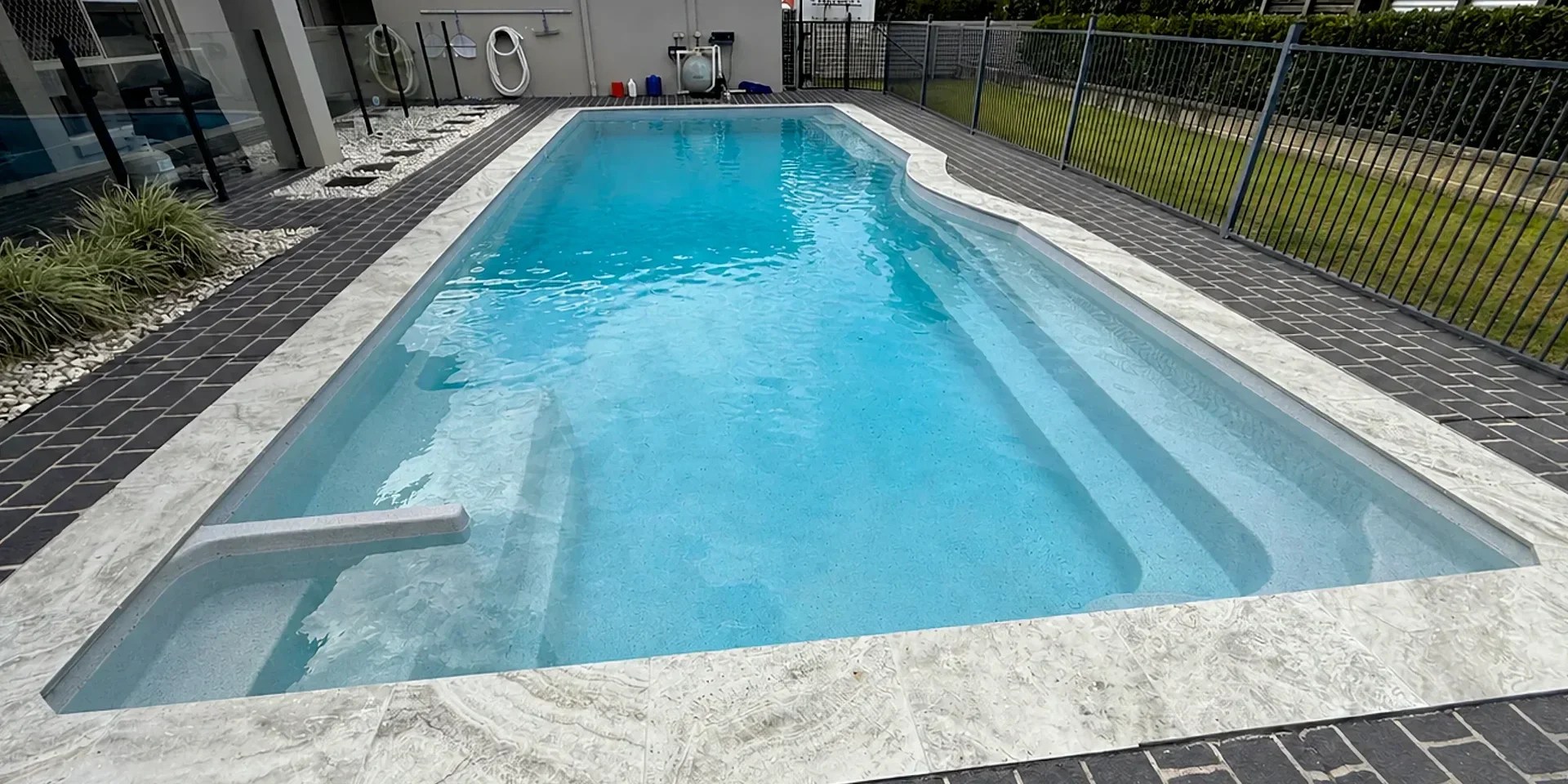
Resurfacing may be suitable when your pool interior is worn, rough or damaged, or when repairs need to be finished with a new continuous fibreglass lining. Pebblecrete, Marblesheen, tiled, painted and vinyl-lined pools can also be assessed for conversion to fibreglass.
The right approach depends on the pool beneath the finish. Photos help us start the assessment; the final preparation and repair scope is confirmed after planned emptying and inspection.
A localised repair where the affected area is limited and the surrounding surface remains suitable
Complete resurfacing where wider preparation and repairs need to be integrated into one continuous lining
A fibreglass conversion or new lining for painted, tiled, vinyl-lined or new concrete interiors
Start with the surface you have now. Each guide explains what we assess, how preparation can differ and what resurfacing involves. If you are unsure, you can send us photos instead.
For moulded fibreglass shells and concrete pools with an existing fibreglass lining. If you are unsure which you have, we can help.
For pools with a coarse, pebbled surface. Explore how rough, worn or loose areas are assessed and prepared for a new lining.
For pools with a fine cement-based finish. Surface wear, hollow areas and uneven sections help determine the preparation required.
For tiled pool interiors. We assess the tiles and the material beneath them to determine what can remain and what needs removal.
For concrete or rendered pools with a paint coating. Explore the preparation involved in converting the interior to fibreglass.
For pools fitted with a flexible liner. Removing the liner allows the supporting structure to be assessed for a fibreglass conversion.
A new shell needs assessment before its first fibreglass lining. Share the build stage and available drawings so we can plan the assessment and coordinate with the builder.
Facility resurfacing needs planning around access, existing construction, closure periods and reopening.
Send us an overall photo and close-ups of any worn or damaged areas. We can help identify the visible surface and discuss the next step. You do not need to diagnose the problem before contacting us.
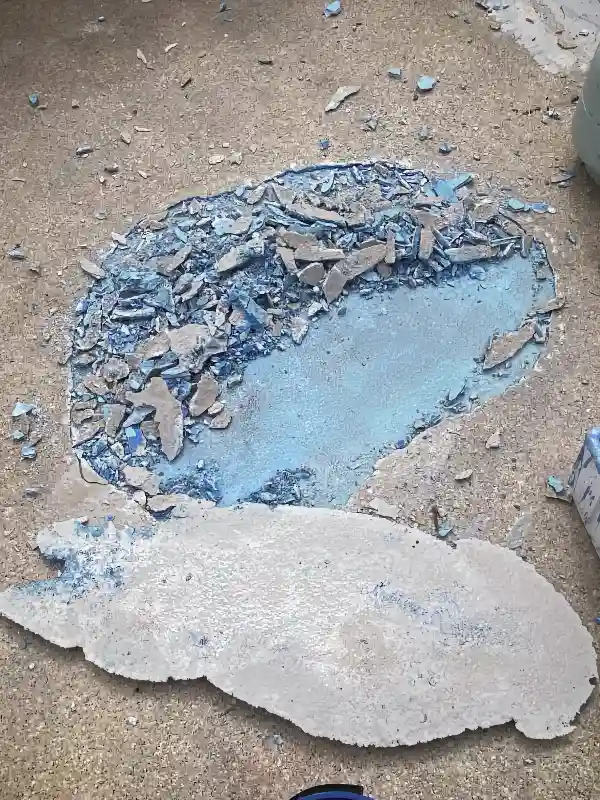
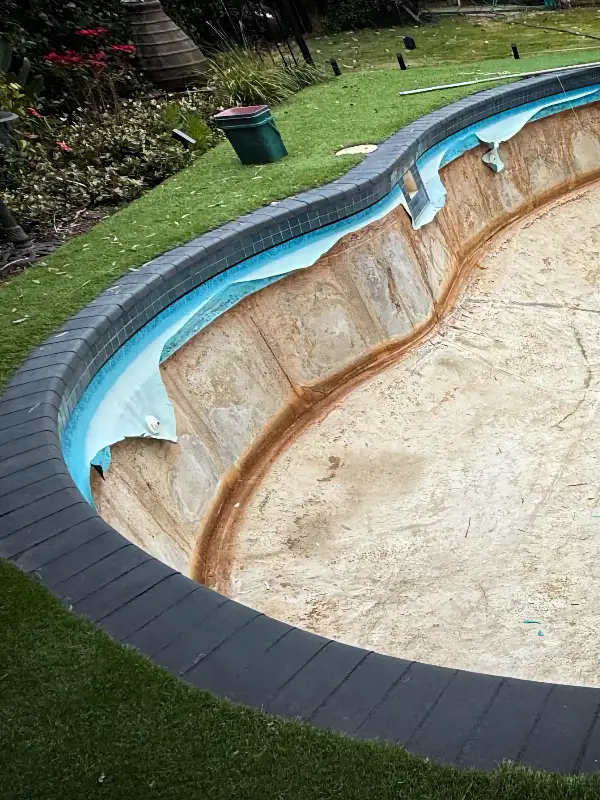
Surface wear is not always just cosmetic. Cracks, water loss, separating fibreglass and loose or deteriorated finishes can indicate defects that need to be addressed before a new lining is installed.
The visible symptom does not confirm the cause. An assessment determines whether resurfacing is appropriate and whether movement, plumbing or other work is also required.
Where resurfacing is suitable, the result is more than a cosmetic colour change. Unsound material is removed as required, identified defects are repaired and levelled, and a continuous reinforced fibreglass lining is installed over the prepared pool interior. The selected AquaGuard colour and finish complete the new surface.
Unsound material and identified defects addressed before lining
A continuous reinforced fibreglass interior installed over the prepared pool
A smooth, cleanable AquaGuard surface in the selected colour and finish
The visible finish is only the final layer. The preparation and reinforced system beneath it form the complete resurfacing system.
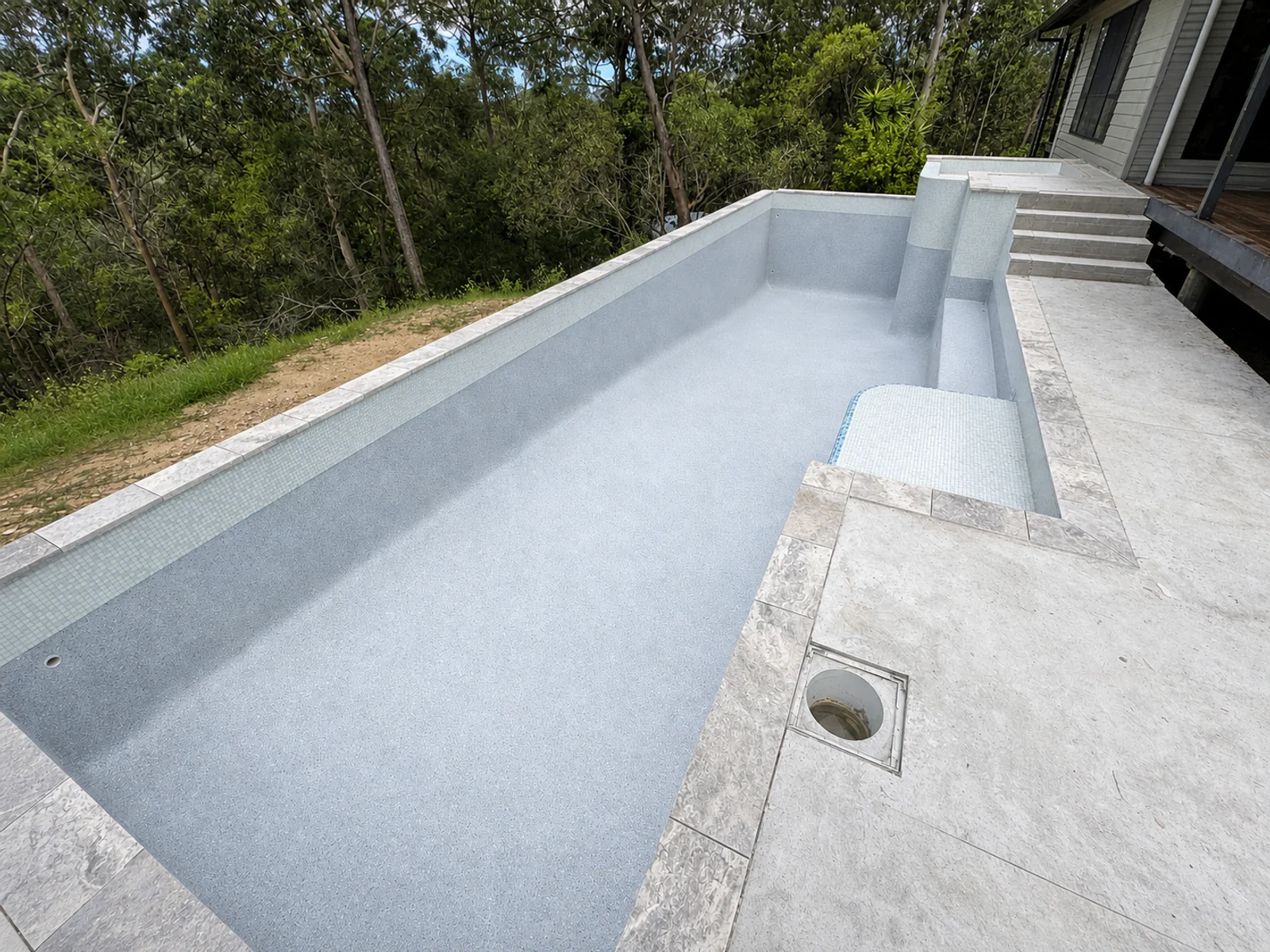
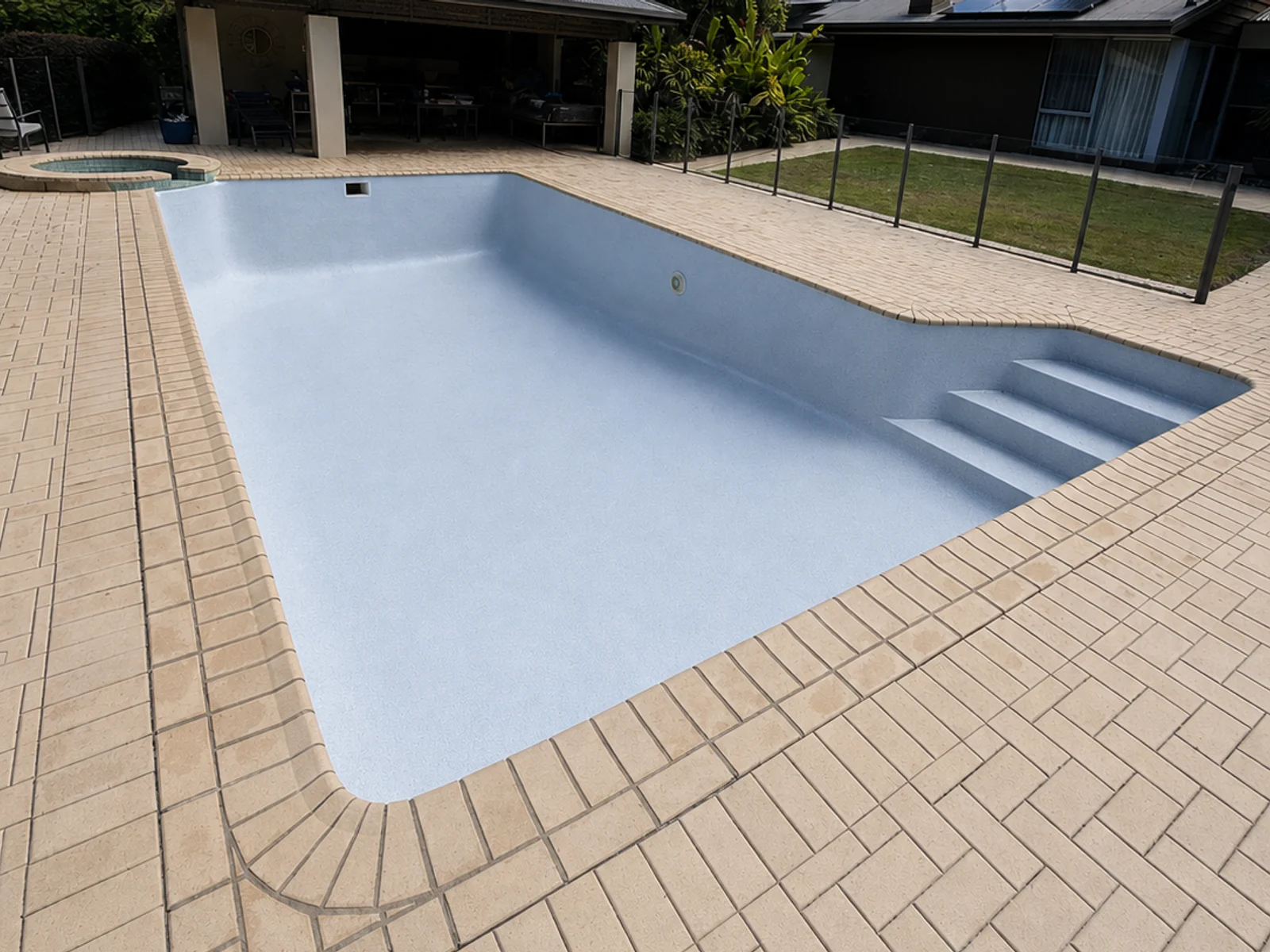
Tallai, QLD · Pebblecrete pool · Dove Grey Speckle
The ENDURATEC System combines pool-specific preparation, compatible vinyl-ester bonding and repair materials, a continuous reinforced fibreglass lining and two UV-stabilised AquaGuard top coats. The preparation and repair scope is adjusted to the construction and condition of each pool.
Two UV-stabilised AquaGuard top coats provide the selected colour and smooth finished surface, with the chosen speckle finish where specified.
Fibreglass reinforcement is installed across the prepared interior to form one continuous lining, with additional local reinforcement where required.
A compatible vinyl-ester resin/primer system is used with resin-based repair and levelling materials where the assessed condition requires them.
Loose, deteriorated or poorly bonded material is removed as required, and the retained surface is cleaned and mechanically prepared to provide a sound base.
Together, these components create a continuous resurfaced interior rather than a surface-only coating. The final specification remains specific to the pool, its substrate and the repairs identified.
Conceptual system build-up only. Components are not shown to scale, and preparation and repairs vary according to the pool.
Every pool is assessed individually, but the work generally follows five stages—from confirming the scope and preparing the existing surface to installing the reinforced lining and applying the selected finish.
We review the pool details and photographs and arrange an inspection where required. Once emptied, the exposed interior is checked and the final scope is confirmed.
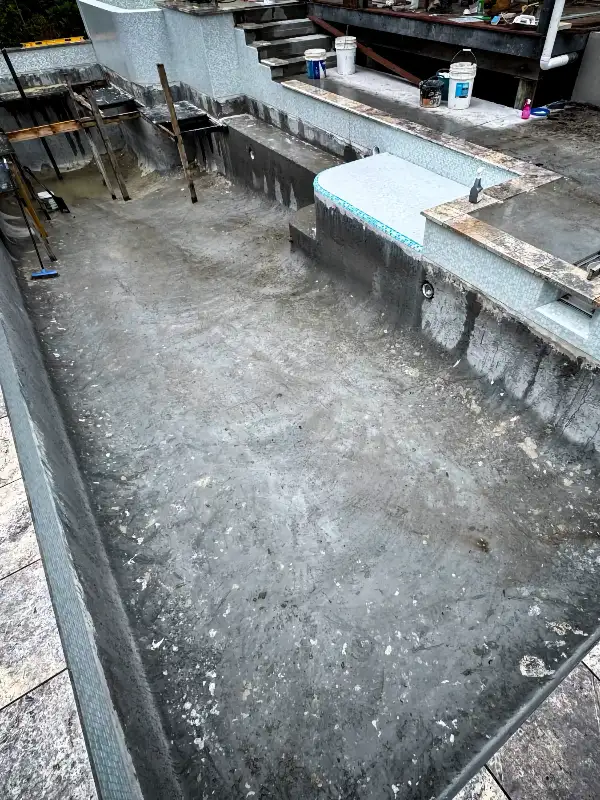
Loose, deteriorated or poorly bonded material is removed. The retained surface is cleaned and mechanically prepared for the repair and lining work that follows.
Identified defects and surface irregularities are treated, rebuilt or levelled as required to create a sound, consistent base.
Fibreglass reinforcement is installed across the prepared pool interior to form one continuous lining, with additional local reinforcement where required.
Two UV-stabilised AquaGuard top coats complete the selected colour and finish. After curing and inspection, applicable fittings are refitted and guidance is provided for refilling and initial water balancing.
Explore completed Fibreglaze projects across different existing surfaces, conditions and selected AquaGuard colours.
Pool assessment and quote enquiry
Pool size is only one part of the price. The existing surface, access, pool shape, fittings and amount of preparation can have a greater effect. Costs can increase where failed paint, tiles or a vinyl liner must be removed, or where cracks, osmosis, hollow areas, corrosion, movement or an uneven substrate need repair. A useful quotation should state what removal, preparation, repairs, lining, finish and clean-up are included so different proposals can be compared on the same scope.
The programme depends on the pool type, condition, access and repairs found after it is emptied. Draining, preparation, drying, repairs, installation, curing and refilling are separate stages, and weather can affect several of them. Pools with osmosis, failed coatings, loose tiles or concealed damage usually need more time. The pool should not be refilled until the installed system has reached its required cure and the contractor confirms it is ready. Ask for a project-specific programme rather than relying on a generic number of days.
Not automatically. Sound coping and waterline tiles can often remain while the pool interior is prepared and the new lining is detailed to meet them. Replacement may be recommended where tiles are loose, hollow, cracked or deteriorated, where the junction cannot be sealed reliably, or where the owner wants an appearance change. The bedding, grout and edge detail should be inspected so the quotation clearly states what will remain, what will be removed and how the new surface will finish at the pool edge.
Yes, resurfacing generally allows you to select a new colour rather than matching the original faded finish. The water colour you see will also be influenced by the pool depth, sunlight, surrounding landscaping and the chosen surface colour. Available colours and finish conditions depend on the resurfacing system being used, so review current samples before making a final selection. Repairs and preparation are completed first so the new colour is applied as part of a continuous finished surface.
Send us a few photos and our team can help identify the likely issue and the most suitable next step.