
Loose or Hollow Masonry Surface
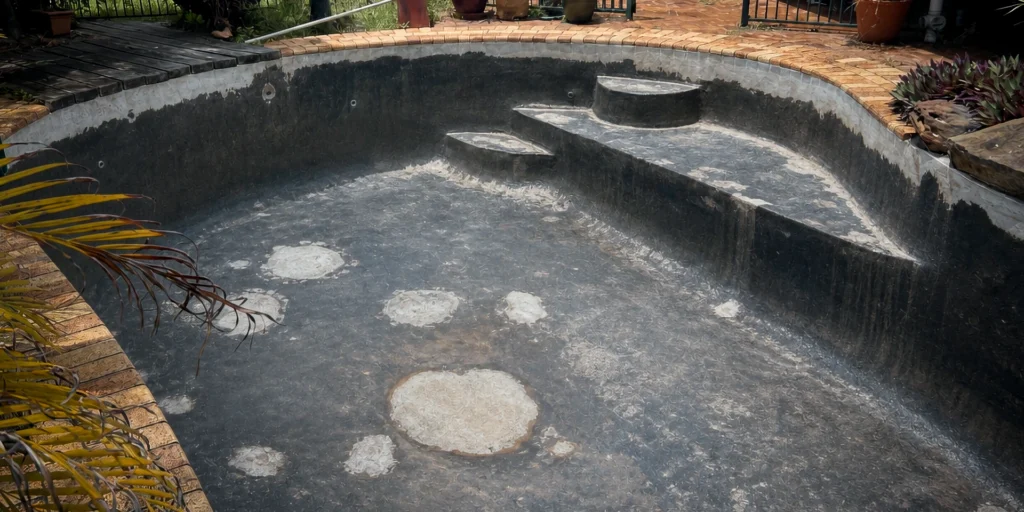
Loose or hollow render, plaster or pebblecrete may have separated from the pool shell. Unstable areas must be removed before repair and resurfacing.
Deteriorated Vinyl Liner
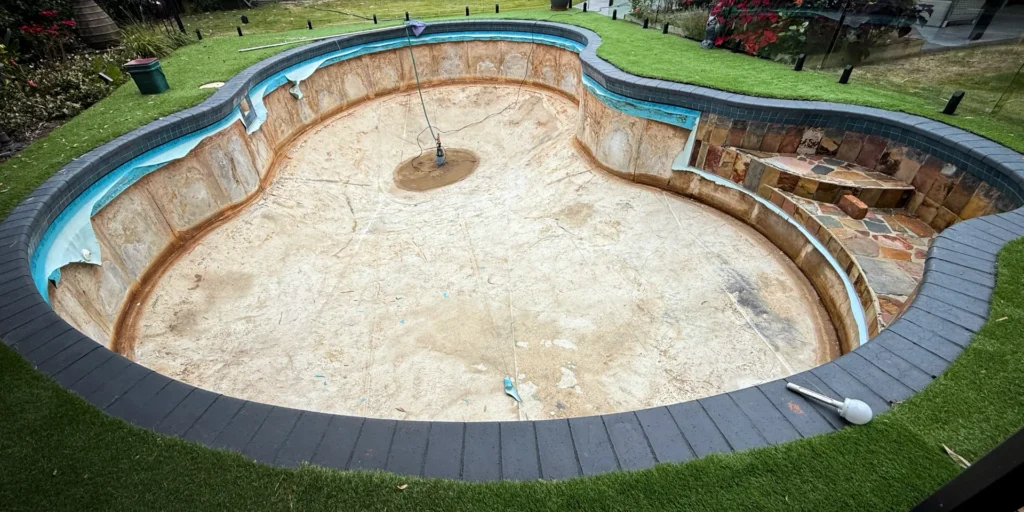
Ageing vinyl pool liners can fade, wrinkle, split or pull away from fittings. Removal reveals the structure before repairs and conversion are confirmed.
New Concrete Readiness
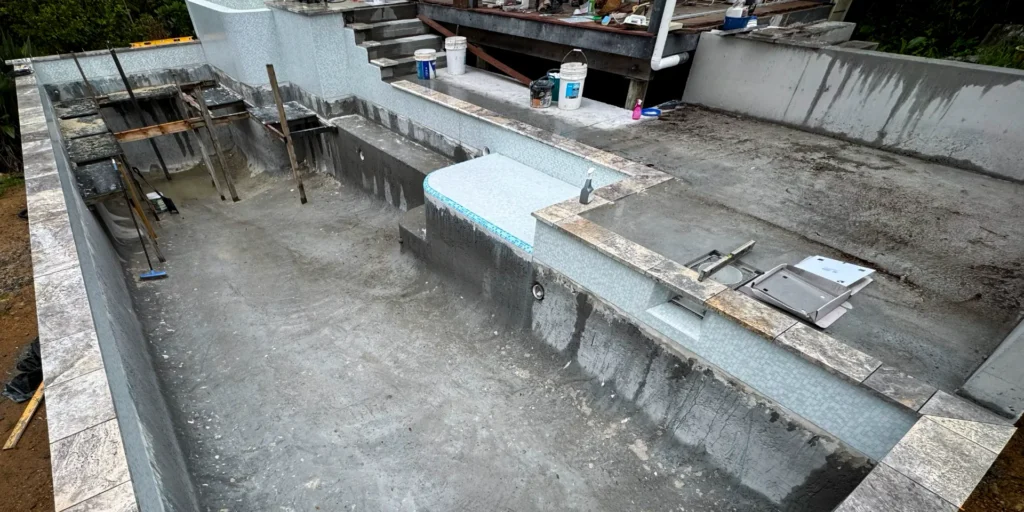
A new concrete pool shell is not ready for fibreglass lining based on age alone. Moisture, strength, cracks, joints and tolerances must be assessed.
Osmosis Bubbles and Blisters
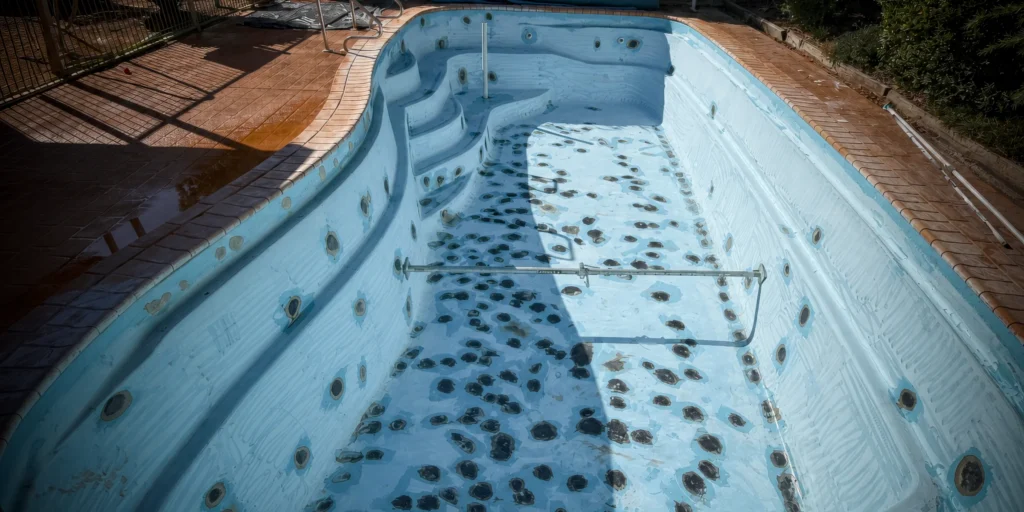
Pool osmosis can cause raised blisters as water penetrates the fibreglass laminate. Treatment requires removal and reconstruction of affected material.
Deformed Pool Walls and Floor
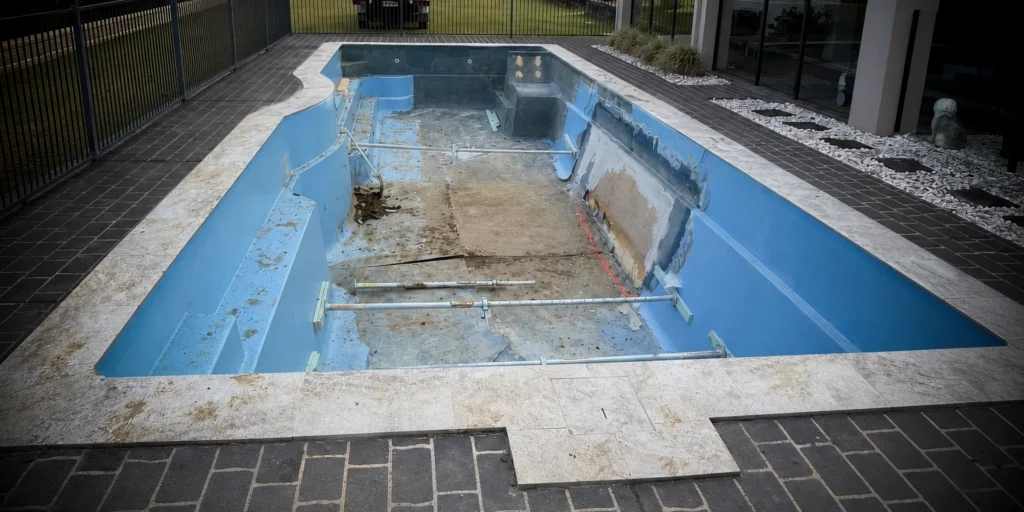
Raised floors and bowed walls can indicate groundwater pressure, lost support or shell movement. Fibreglaze assesses the cause and repair options.
Fibreglass Pool Delamination
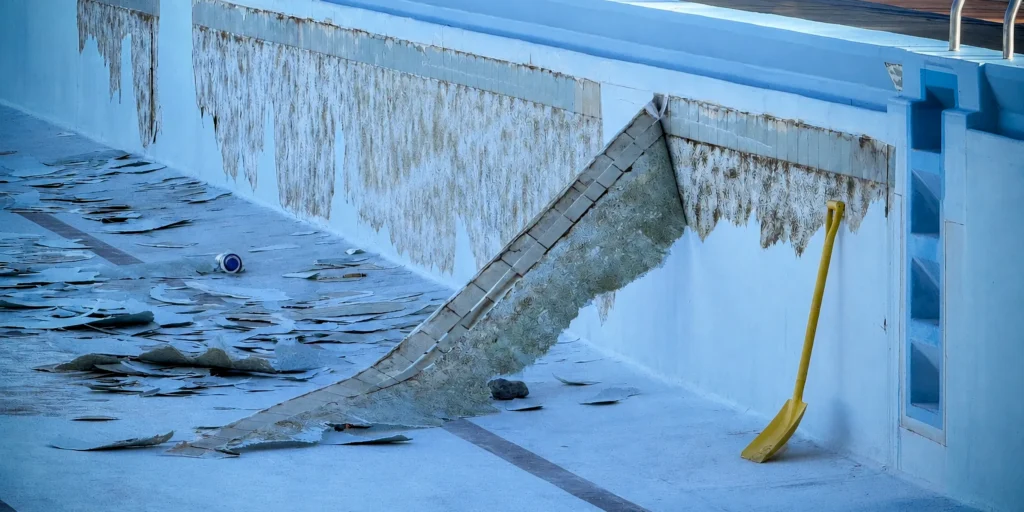
Delamination occurs when fibreglass layers lose their bond, causing hollow, lifted or soft areas. Unsound material must be removed before rebuilding.
Worn or Faded Pool Surface
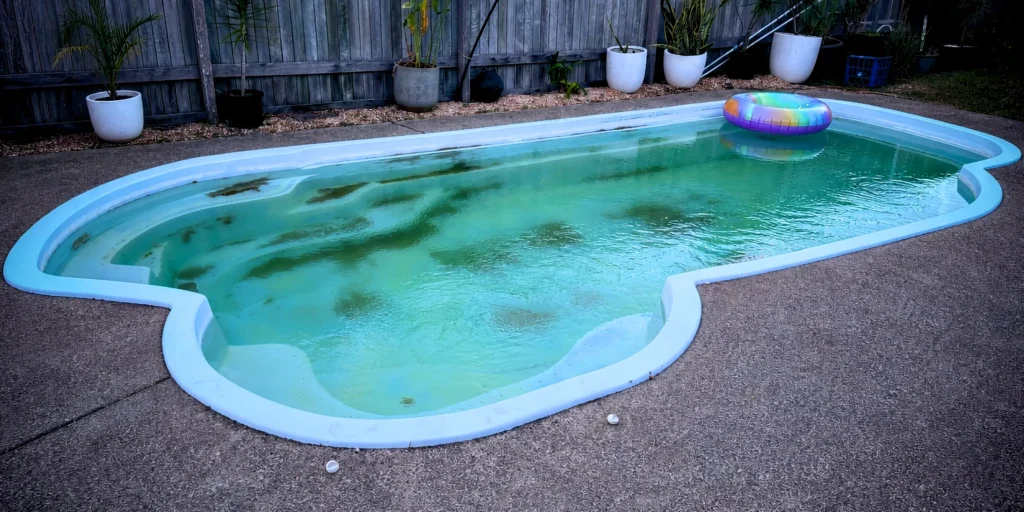
A faded, chalky or worn pool surface can become rough, porous and difficult to clean. Fibreglaze assesses defects and preparation needs before resurfacing.
Leaking Pool
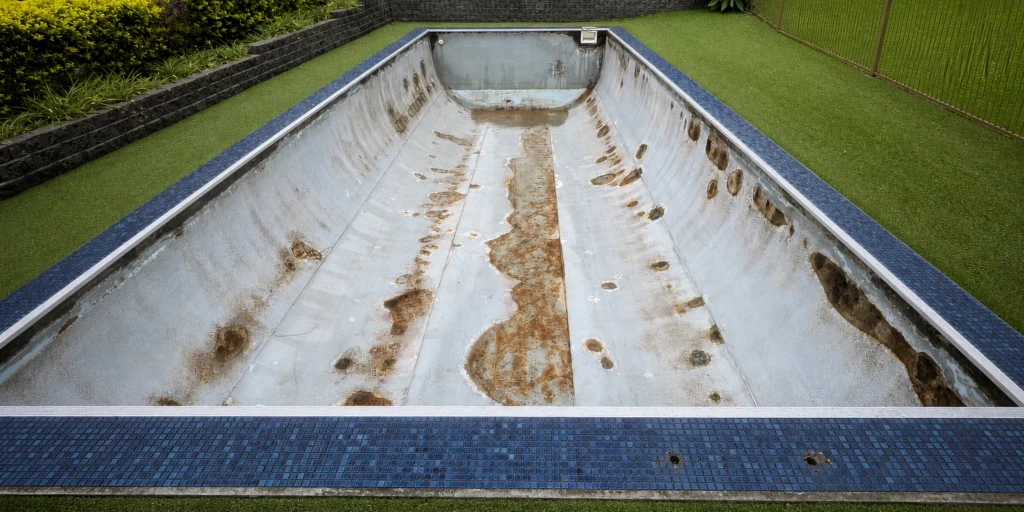
Unexpected pool water loss may come from plumbing, fittings, cracks, tiles, liners or the shell. Confirm the leak source before choosing a repair.
Stained, Rough or Dated Pool
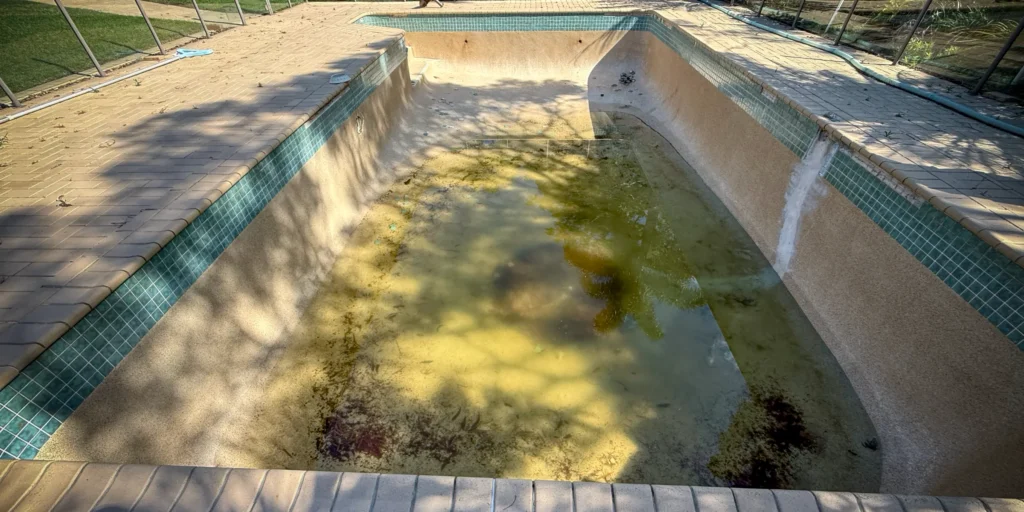
Stains, roughness and an ageing pool finish can make a sound pool harder to maintain. Fibreglaze identifies the cause before restoring the surface.
Cracks
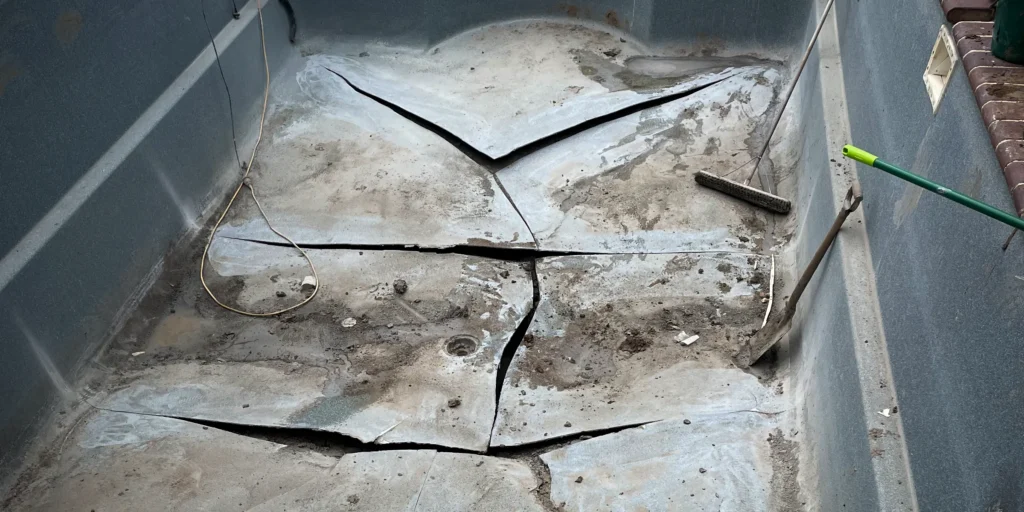
Pool cracks range from fine surface crazing to movement-related shell damage. Fibreglaze assesses the cause before recommending a suitable repair.